Version 1.0 · First Public Release · May 2026
GemmaCare is an open-source, multimodal clinical triage tool designed for healthcare workers in remote and resource-limited settings. A health worker can record patient audio in any language, optionally photograph a medication label or wound, and receive a structured clinical assessment — including urgency scoring, medication cross-verification, and bilingual patient instructions — in seconds, powered entirely by a locally-run Gemma 4 model.
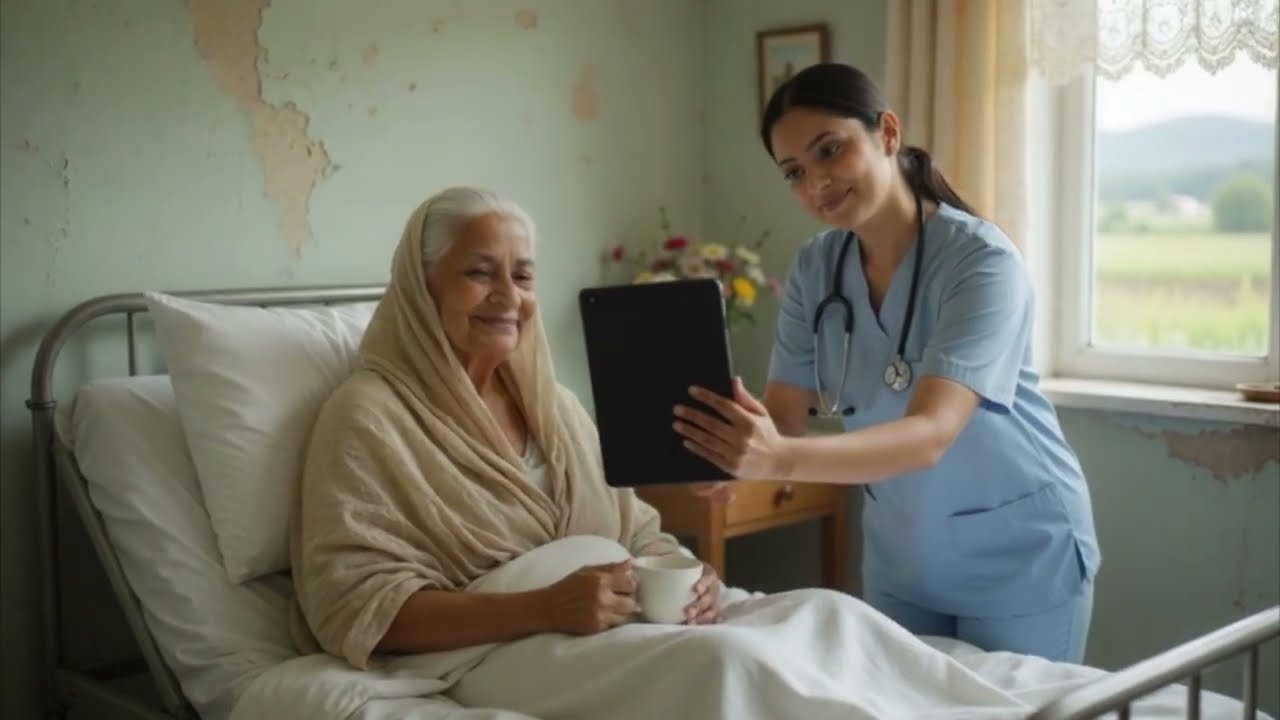
Click to watch the demo on YouTube
- Overview
- System Requirements
- Quick Start
- Detailed Installation
- Configuration
- Running the App
- Features
- Architecture
- Urgency Scoring Rubric
- Troubleshooting
- Developer Credits
- Technology Credits
- License
- Medical Disclaimer
GemmaCare processes patient information through a six-step AI pipeline:
- Audio Transcription — Gemma 4 transcribes and detects language from patient audio
- Image Analysis — Gemma 4 vision describes medication labels, wounds, or other clinical photos
- Synthesis — When both audio and image are present, inputs are reconciled into a unified clinical picture
- Clinical Extraction — Structured triage data is extracted: chief complaint, symptom list, urgency level (1–5), recommended action, confidence score
- Medication Safety — Four parallel safety checks compare audio-mentioned vs. image-visible medications
- Bilingual Instructions — Patient-friendly care instructions generated in both patient and clinician languages
| Component | Minimum | Recommended |
|---|---|---|
| CPU | 8-core x86-64 (e.g. Intel i5-12th gen) | 16-core or Apple Silicon M2+ |
| RAM | 16 GB | 32 GB |
| GPU | None required (CPU inference) | NVIDIA RTX 3080+ / Apple Silicon unified memory |
| Disk | 20 GB free (model + app) | 40 GB SSD |
| Network | Required for initial model download | Offline after first setup |
Apple Silicon Note: GemmaCare runs well on M1/M2/M3 MacBooks via Ollama's Metal backend. Inference is significantly faster than CPU-only x86. GPU Note: An NVIDIA GPU with 10+ GB VRAM will dramatically accelerate inference. Ollama automatically uses CUDA if available.
| Software | Version | Notes |
|---|---|---|
| Node.js | 22.x LTS or higher | Required |
| pnpm | 10.x | Installed automatically if missing |
| Ollama | Latest | Required — runs Gemma 4 locally |
| Docker | 24+ (optional) | For containerised deployment |
| Git | Any recent | For cloning the repo |
- ✅ macOS 13 Ventura or later
- ✅ Ubuntu 22.04 LTS / Debian 12+
- ✅ Windows 11 with WSL2 (Ubuntu 22.04 recommended)
⚠️ Windows (native, without WSL) — not officially tested
# macOS / Linux
curl -fsSL https://ollama.com/install.sh | sh

# Windows — download installer from https://ollama.com/downloadollama pull gemma4:e4bNote: The
gemma4:e4bmodel is approximately 9 GB. Ensure you have sufficient disk space and a stable internet connection for the first pull.
git clone https://github.com/kingofthecipher-ctrl/GemmaCare-V1
cd GemmaCare-V1

# Install Node dependencies
npm install -g pnpm   # if pnpm is not already installed
pnpm install

# Initialise the database (SQLite, zero configuration)
pnpm db:push./START.sh
# OR
pnpm devOpen your browser at http://localhost:8080
Ollama manages local AI model inference. GemmaCare uses it to run Gemma 4.
macOS / Linux:
curl -fsSL https://ollama.com/install.sh | shWindows (WSL2):
# Inside your WSL2 Ubuntu shell:
curl -fsSL https://ollama.com/install.sh | sh
Verify Ollama is running:
ollama list
# Should return an empty table (no models yet)ollama pull gemma4:e4bThis downloads ~9 GB. To verify the model is ready:
ollama list
# Should show: gemma4:e4b
Optionally test the model:
ollama run gemma4:e4b "Say hello in 5 languages"git clone https://github.com/kingofthecipher-ctrl/GemmaCare-V1
cd GemmaCare-V1# Install pnpm if you don't have it
npm install -g pnpm
# Install project dependencies
pnpm installThe .env file is pre-configured for local development with sensible defaults. For most users, no changes are needed:
# View current config
cat .env
Key variables:
DATABASE_URL=          # Empty = SQLite (auto-created at gemmacare.db)
PORT=8080
OLLAMA_BASE_URL=http://localhost:11434
OLLAMA_MODEL=gemma4:e4b
JWT_SECRET=gemmacare-v1-local-secret-change-in-prod
Production: Change
JWT_SECRETto a strong random string before deploying publicly.
GemmaCare uses SQLite by default — no database server required.
pnpm db:pushThis creates gemmacare.db in the project root with all required tables.
Optional — MySQL instead of SQLite:
DATABASE_URL=mysql://user:password@localhost:3306/gemmacare
pnpm devThe app will be available at http://localhost:8080
# ─── Database ──────────────────────────────────────────────────────────────────
# Leave empty for SQLite (auto-created, zero setup, fully offline)
# For MySQL: mysql://user:password@host:port/dbname
DATABASE_URL=

# ─── App ───────────────────────────────────────────────────────────────────────
NODE_ENV=development
PORT=8080

# ─── Security ──────────────────────────────────────────────────────────────────
# Change this to a long random string in production
JWT_SECRET=gemmacare-v1-local-secret-change-in-prod

# ─── Auth ──────────────────────────────────────────────────────────────────────
VITE_APP_ID=local-dev
OAUTH_SERVER_URL=http://localhost:8080
VITE_OAUTH_PORTAL_URL=http://localhost:8080
OWNER_OPEN_ID=local-owner-id
OWNER_NAME=Local Owner
LOCAL_DEV_BYPASS_AUTH=true   # Set to false to require login

# ─── Ollama / Gemma 4 E4B ──────────────────────────────────────────────────────
OLLAMA_BASE_URL=http://localhost:11434
OLLAMA_MODEL=gemma4:e4b

# ─── Branding ──────────────────────────────────────────────────────────────────
VITE_APP_TITLE=GemmaCare V1
pnpm devpnpm build
pnpm startdocker-compose up --buildpnpm testpnpm check- Audio — Record patient audio directly in-browser or upload
.wav/.mp3 - Image — Upload medication labels, wound photos, or any clinically relevant image (
.jpg,.png) - Text — Type or paste a patient description directly
- Automatic audio transcription with language detection (40+ languages)
- Vision analysis of medication labels and clinical photos
- Dual-source synthesis when both audio and image are present
- Structured clinical extraction: chief complaint, symptoms, urgency (1–5), confidence
- Name mismatch — Are audio-mentioned and image-visible drugs the same?
- Category check — Is the drug class appropriate for the complaint?
- Route check — Does the delivery form make sense (oral vs. topical, etc.)?
- Semantic check — Any dose concerns, contraindications, or interactions?
Critical mismatches halt the triage flow and require explicit clinician acknowledgment.
When the patient and clinician speak different languages, two sections are generated:
- Section 1 (For the Clinician) — Professional medical language in the clinician's language
- Section 2 (For the Patient) — Simple, warm language in the patient's language
- Persistent AI disclaimer on all triage views
- Confidence score with colour-coded warnings
- Mandatory safety notes for sepsis/meningitis antibiotic sequencing
- Cord prolapse and antepartum haemorrhage protocol enforcement
- Crisis line injection for psychiatric emergencies (urgency 5 + suicide/self-harm)
- 20+ code-level hard-locks for life-threatening presentations (TIA, anaphylaxis, etc.)
Three pre-loaded demonstration scenarios:
- Hindi — Fever + Paracetamol label (multimodal, expected: Urgency 3/5)
- Spanish — Chest/wound presentation (multimodal, expected: Urgency 4/5)
- Swahili — Audio-only headache assessment (expected: Urgency 3/5)
- All triage records saved locally
- Filter and sort by date, urgency, language
- Re-display any past record in full
On-demand re-translation of clinical record fields and patient instructions to any of 60+ supported languages.
GemmaCare-V1/
├── client/                  # React 19 frontend
│   ├── src/
│   │   ├── pages/           # Triage, History, Demo, About, Home
│   │   ├── components/      # TriageFlow, TriageInput, TriageOutput, etc.
│   │   └── index.css        # Dark theme (navy/teal/green/purple)
│   └── public/
│       └── demos/           # Demo audio/image assets
│
├── server/                  # Express + tRPC backend
│   ├── _core/
│   │   ├── llm.ts           # Gemma 4 invocation (audio, vision, text)
│   │   ├── trpc.ts          # tRPC router setup
│   │   ├── crisisLines.ts   # Psychiatric emergency resource injection
│   │   └── triageProgress.ts # SSE progress events
│   └── routers/
│       └── triage.ts        # Full 6-call triage pipeline + 20+ safety hard-locks
│
├── drizzle/                 # Database schema & migrations
│   └── schema.ts
│
├── shared/                  # Shared types and constants
│   └── types.ts
│
├── .env                     # Local configuration (SQLite, Ollama, auth)
├── docker-compose.yml       # Optional containerised deployment
└── README.md                # This file
| Layer | Technology |
|---|---|
| Frontend | React 19 + TypeScript |
| Styling | Tailwind CSS 4 + shadcn/ui components |
| API layer | tRPC 11 (end-to-end type safety) |
| State | TanStack Query v5 |
| Backend | Node.js + Express 4 |
| Database | SQLite (default) via Drizzle ORM, MySQL optional |
| AI inference | Ollama + Gemma 4 E4B (multimodal: audio, vision, text) |
| Build | Vite 7 (frontend) + esbuild (backend) |
| Testing | Vitest |
GemmaCare uses a 1–5 urgency scale, calibrated against standard triage frameworks:
| Level | Label | Response Time | Examples |
|---|---|---|---|
| 1 | Non-urgent | Routine | Paper cut, mild cold, medication refill |
| 2 | Low | Within 24h | Mild UTI, low-grade fever in healthy adult |
| 3 | Moderate | Within a few hours | Fever + headache (no red flags), wound infection |
| 4 | Urgent | Within 30–60 min | Chest pain + cardiac risk, severe asthma, high fever + rigors |
| 5 | Emergency | Immediately | Stroke signs, anaphylaxis with airway, active seizure, meningism |
Key calibration rules:
- Fever + headache alone = 3, regardless of whether the patient calls it "severe"
- "Severe" as a pain intensity word is NOT itself a red flag — a second specific neurological sign (photophobia, neck stiffness, confusion) is required to reach Level 4
- 20+ code-level hard-locks prevent under-triaging of life-threatening presentations
Note on interoperability: This scale runs 1 (least severe) to 5 (most severe). Many established clinical triage systems — including CTAS and ESI — run in the opposite direction, where 1 is the most critical. Standardization to align with existing clinical workflows is planned for a future release. If your system uses a different convention, feedback is welcome via the issue tracker.
# Check Ollama is running
curl http://localhost:11434/api/tags

# If not running, start it
ollama serveollama pull gemma4:e4b
# Wait for full download (~9 GB)Change PORT=8080 in .env to another port, then restart.
# Re-initialise the database
rm -f gemmacare.db
pnpm db:push- CPU inference on Gemma 4 E4B typically takes 30–90 seconds per call on a modern laptop
- A GPU or Apple Silicon Mac will be 5–10x faster
- Each triage run makes 4–6 LLM calls; total time is 3–8 minutes on CPU, 30–60 seconds with GPU/Apple Silicon
- Ensure your audio is
.wavor.mp3 - File must be under 25 MB
- Check Ollama logs:
ollama serve(run in a separate terminal)
pnpm install          # ensure dependencies are fresh
pnpm test # run the test suiteGemmaCare was designed and built by:
Aislinn Phelan — Clinical AI design, triage rubric architecture, patient safety logic, bilingual instruction system, demo scenario design
Contributions and feedback welcome via the project issue tracker.
GemmaCare is built on the shoulders of these excellent open-source projects and services:
- Gemma 4 by Google DeepMind — multimodal language model powering all audio transcription, vision analysis, and clinical reasoning
- Ollama — local model runtime enabling private, offline-capable inference
- React (v19) — UI framework
- TypeScript — type-safe JavaScript
- Tailwind CSS (v4) — utility-first CSS framework
- shadcn/ui — accessible, composable UI components built on Radix UI
- Radix UI — unstyled accessible component primitives
- Lucide React — icon library
- Framer Motion — animation library
- TanStack Query (v5) — data fetching and caching
- Wouter — lightweight React router
- Recharts — composable charting library
- Sonner — toast notifications
- Vaul — drawer component
- React Hook Form — form state management
- Zod — schema validation
- Node.js — JavaScript runtime
- Express (v4) — HTTP server framework
- tRPC (v11) — end-to-end type-safe API layer
- Drizzle ORM — TypeScript-native database ORM
- better-sqlite3 — fast SQLite bindings
- mysql2 — MySQL client for optional MySQL/TiDB deployment
- Jose — JWT authentication
- nanoid — unique ID generation
- dotenv — environment variable management
- Vite (v7) — frontend build tool
- esbuild — server bundler
- pnpm — fast, disk-efficient package manager
- Vitest — unit and integration testing framework
- Prettier — code formatter
- Drizzle Kit — database migration tooling
GemmaCare is released under the Apache License 2.0.
Copyright 2026 Aislinn Phelan

Licensed under the Apache License, Version 2.0 (the "License");
you may not use this file except in compliance with the License.
You may obtain a copy of the License at

    http://www.apache.org/licenses/LICENSE-2.0

Unless required by applicable law or agreed to in writing, software
distributed under the License is distributed on an "AS IS" BASIS,
WITHOUT WARRANTIES OR CONDITIONS OF ANY KIND, either express or implied.
See the License for the specific language governing permissions and
limitations under the License.
⚠️ GemmaCare is a clinical decision SUPPORT tool. It is NOT a substitute for professional medical judgment, clinical examination, or diagnosis.All outputs are generated by an AI model (Gemma 4) and must be verified by a qualified healthcare professional before any clinical decision is made. GemmaCare is designed to assist — not replace — the clinician.
- Always verify AI outputs with physical examination, patient history, and appropriate investigations
- Urgency scores are algorithmic estimates, not diagnoses
- Medication safety checks are advisory and do not replace pharmacist review
- In any life-threatening emergency, call emergency services immediately
The developers of GemmaCare accept no liability for clinical decisions made on the basis of AI-generated outputs.
GemmaCare v1.0 · May 2026